
Sea-riously skilled

Mermaiding championships are a real thing! Every year, land dwelling humans participate in competitions such as lifesaving rescue drills, long distance breath-hold swim, underwater pageantry and synchronized choreography, all while wearing a monofin or costume tail. Although it might sound comical to some, mermaiding requires serious skills and rigorous safety training. Way to go merpeople!
Really? Tail me more
Did you know that “starbies” got its name from Herman Melville‘s novel Moby Dick? Yup, Starbuck was Captain Ahab’s first mate on the Pequod. The Starbucks two-tailed siren logo was first created in 1971, the owners wanted to reference the strong ties between early coffee traders and the sea.

Finders keepers

Some collectors call sea glass “mermaid tears”. Legend has it that heartbroken mermaids’ tears would crystallize and wash up ashore.
Did you know that red sea glass sherds are exceptionally rare? Historically, true red was produced by adding gold to molten glass! Unfortunately, most ruby-toned bits we find today are plastic…
You want thingamabobs?
The Little Mermaid, released in November 1989, was the last Disney feature film that was traditionally animated by hand-painting more than 100 000 cels which are clear sheets of plastic. The line art was traced on the front of the cel, colour applied to the reverse side. These cels were then placed over 1100 different still backgrounds and photographed to create one frame. At the rate of 24 frames needed for a second of animation, can you imagine the patience and amount of work that took?!

Hey…
Why are mermaids so good at math?
‘Cause they’re algae-bra experts.
Looks fishy to me
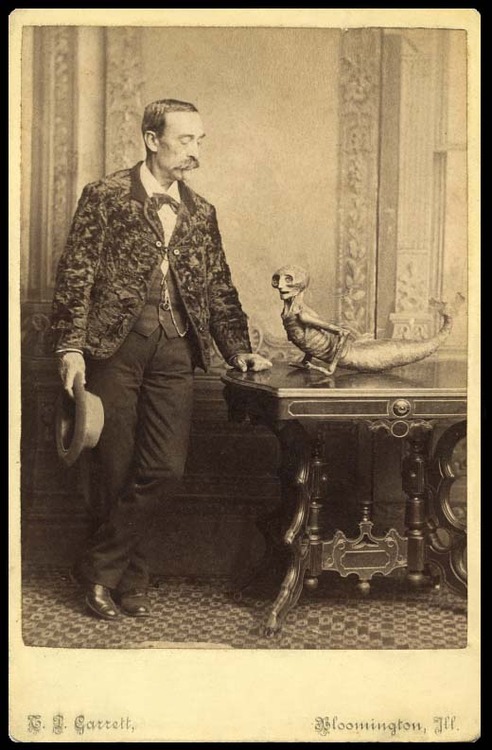
Feejee (or Fiji) mermaids were favorite sideshow attractions in the 1800’s. Although specimens had existed long prior, showman extraordinaire P.T. Barnum is credited as the first to turn the not so sexy beast into a super popular and lucrative exhibit in 1842. I hate to break it to you but these stuffed merfolk were hoaxes. Feejee mermaids were most often a monkey head and torso sewn onto a fish tail. This type of creative body part assembly is called a gaff in the world of taxidermy.
A case of mistaken identity
Journal of the First Voyage of Columbus
January 9, 1493
“On the previous day, when [Columbus] went to the
Rio del Oro, he saw three mermaids, which rose well out
of the sea; but they are not so beautiful as they are painted, though to some extent they have the form of a human face. [Columbus] says that he had seen some, at other times, in Guinea, on the coast of the Manequeta.”
Well hey man, sorry they didn’t look cute enough for you…
Funnily enough, it is theorized that Columbus’ mermaids were actually dugongs and manatees.
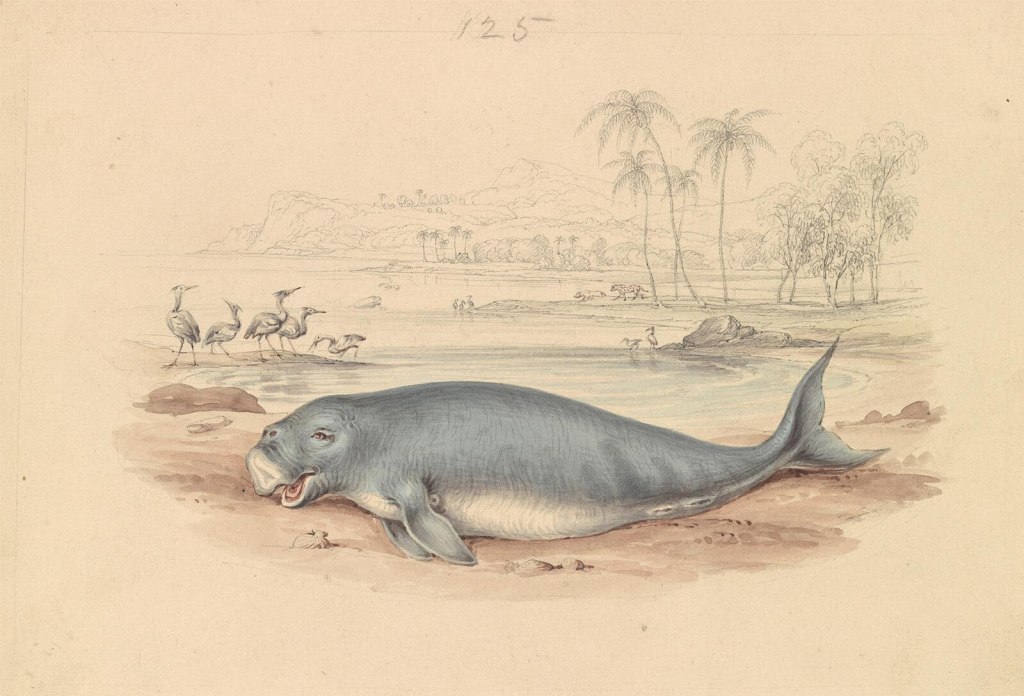
The Dugong, James Stewart, circa 1837
Watercolor, graphite, pen and brown ink on thick, smooth, cream, wove paper
Ugh, forgot my purse
Mermaid purses are the casings that surround the eggs of oviparous sharks, rays and other relatives. These cases contain a lot of keratin (just like your fingernails) which make them very durable. Once the embryos have hatched, the empty cases often wash up on the shoreline. Keep an eye out for them while beachcombing and try identifying them. Here’s a cool place to start: Mermaid’s Purse Identification Key
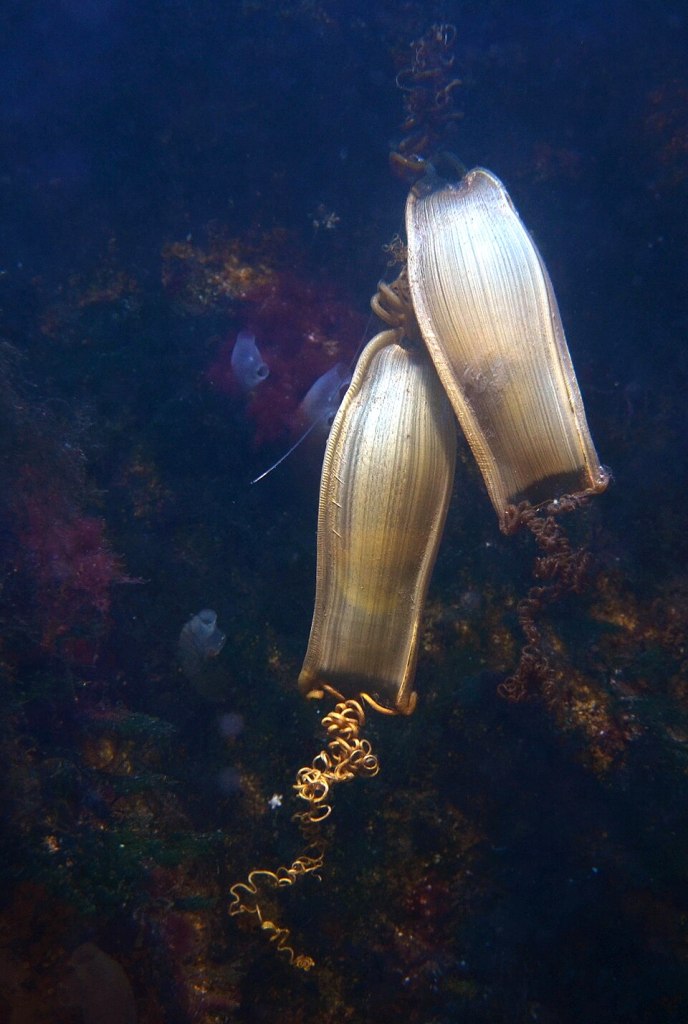
Scyliorhinus stellaris egg case, Aquarium de Vannes
Early movie magic
Georges Méliès was a French magician (yes, a real one, with top hats and rabbits) who revolutionized the early days of cinematography. As you can see in “La Sirène / The Mermaid”, he developed the use of special effects such as multiple exposures, dissolves, pyrotechnics and hand painted colours to produce some beautifully creative works of art. Once you get acquainted with his work (A Trip To The Moon being one of his super famous shorts), you will start noticing references to his unique style everywhere. Also… erhm… RIP fishies in the tank.
 Le Curio
Leave a comment